On July 4, 2026, the United States marks its Semiquincentennial — 250 years since the signing of the Declaration of Independence. For many Americans, America 250 will be remembered through fireworks, parades, flags, and patriotic celebrations. But behind that 250-year story is something quieter and deeper: the men and women who served, sacrificed, and carried the cost of freedom across generations.
From the colonial militias who stood at Lexington and Concord to the troops who served in Afghanistan more than two centuries later, America’s history has been shaped not only by words on paper, but by those willing to wear the uniform. As we celebrate America’s 250th anniversary, this article looks back at the generations of veterans who helped shape the nation — era by era, war by war — and what it means to honor that legacy today.
A Nation Born From Service — The Revolutionary War Generation
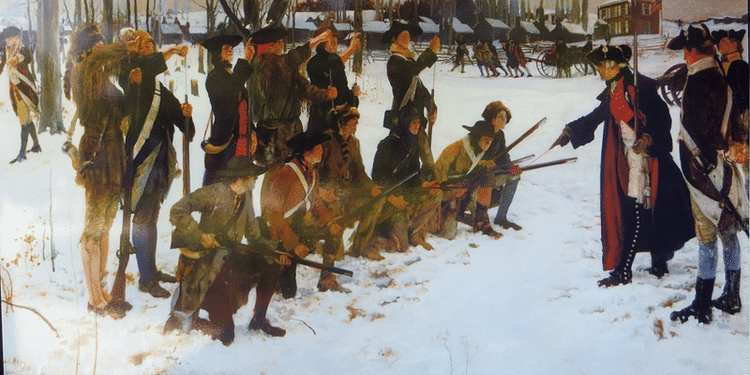
Long before the United States had a permanent professional military, there was the Continental Army — a force built largely from ordinary citizens. Farmers, blacksmiths, fishermen, and shopkeepers picked up muskets and left their homes to fight for a radical idea: a nation governed by its own people.
They were not all professional soldiers. Many had little formal training, limited supplies, and no guarantee that the cause would survive. What they did have was conviction. That conviction carried them through brutal winters like the one at Valley Forge, where troops endured hunger, cold, disease, and hardship rather than abandon the fight for independence.
That decision — for everyday people to become soldiers when the cause demanded it — became part of America’s military tradition. Two hundred and fifty years later, the uniforms have changed and the battlefields have changed, but the willingness of ordinary Americans to serve something larger than themselves remains one of the strongest threads in the nation’s story.
Two and a Half Centuries of Sacrifice — A Generation-by-Generation Timeline
Between 1776 and today, the uniform has changed more times than most people realize. The weapons, battlefields, and missions have changed too. But the thread connecting each generation has remained remarkably steady: ordinary Americans stepping forward when service was demanded of them.
The Civil War (1861–1865)
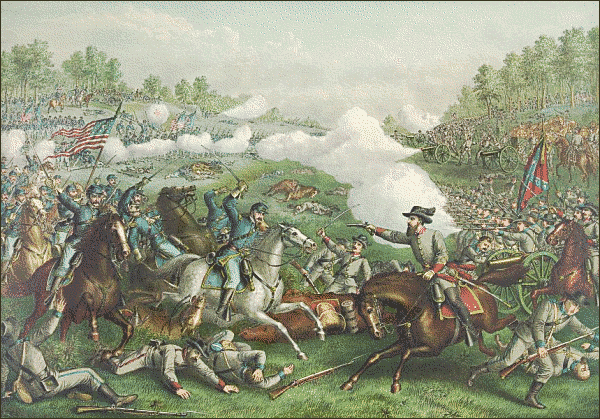
Less than a century after independence was declared, the nation nearly tore itself apart. The Civil War tested whether the Union could survive its deepest divisions, including the unresolved meaning of freedom itself. It remains the deadliest conflict in American history and permanently reshaped how Americans understood union, sacrifice, and national identity.
For veterans of that era, service was tied not only to battlefield hardship, but to a country struggling to define what its founding promises truly meant.
World War I & World War II
The 20th century brought a different scale of service. World War I and World War II called for national mobilization across battlefields, factories, farms, and homes. Entire towns watched sons leave for distant fronts, while families rationed, worked, waited, and prayed for their return.
Today, the World War II generation is nearly gone. Only a small fraction of those who served remain with us, making America’s 250th anniversary one of the last major national milestones many families may share with members of that generation. Honoring them now is not just tradition. It is a closing window.
Korea & Vietnam
Korea is often called America’s “forgotten war,” but its veterans should never be forgotten. Many served in brutal conditions far from home, in a conflict that still shapes the Korean Peninsula today.
Vietnam veterans carried a different burden. Many returned to a country divided over the war itself, often without the welcome earlier generations received. For both Korea and Vietnam veterans, service did not end when they came home. They carried the weight of difficult conflicts long after the fighting stopped.
The Gulf War Era
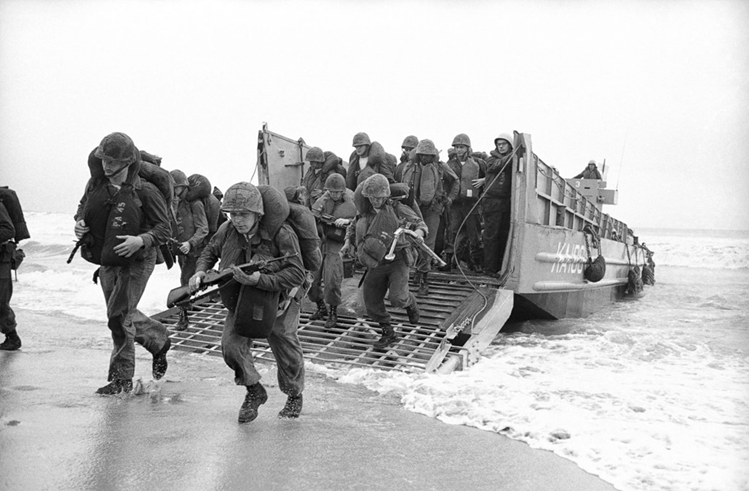
By the 1990s and 2000s, America’s veteran population began shifting again. Gulf War-era veterans became a larger and more visible part of the veteran community, representing a generational handoff from older wartime eras to a newer age of military service.
This era reflected a changing military: faster deployments, new technology, coalition operations, and a different kind of relationship between service members, their families, and the country they served.
Post-9/11: Afghanistan & Iraq
Today’s veteran community looks different than it did a generation ago. Many Post-9/11 veterans served through repeated deployments, long wars, and difficult transitions back into civilian life.
These are the veterans most likely to be your coworker, your neighbor, your friend, or your own child. Their service is proof that the story of American veterans is not only something we remember from the past. It is still being written.
For families who carry that pride across generations, America 250 is more than a national celebration. It is a reminder that freedom has always depended on people willing to serve something larger than themselves.
17 Million Living Legacies — Veterans in America Today
It is easy to read about the Revolutionary War or World War II and place veterans safely in the past — names in textbooks, faces in old photographs, stories told in black and white. But the truth is, this story is not finished.
Depending on the source and method used, estimates place the living U.S. veteran population in the range of roughly 16 to 18 million. The exact number may shift, but the meaning does not: veterans are not just part of America’s history. They are still part of America’s everyday life.
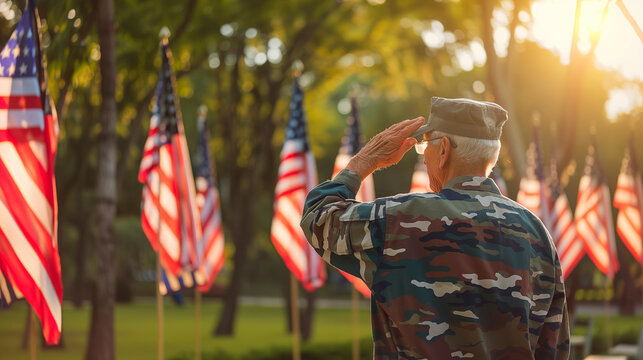
They are the grandfather who rarely talks about what he saw overseas. The coworker who grows quiet every Veterans Day. The neighbor whose porch flag means more than decoration. In many families, service stretches across generations — a grandfather in Korea, a father in the Gulf War, a son or daughter in Afghanistan.
So here is a question worth sitting with as America turns 250: how many generations of service does your own family carry?
For many Americans, the answer is more than they realize. And that is exactly the kind of legacy worth carrying forward, not just remembering.

Honoring 250 Years of Service in 2026
America’s 250th anniversary gives Americans a rare chance to do more than watch fireworks. It is a moment to close the distance between history and the people still living that history in our families, neighborhoods, and communities.
Here are a few meaningful ways to mark the occasion:
Join a local America 250 event.
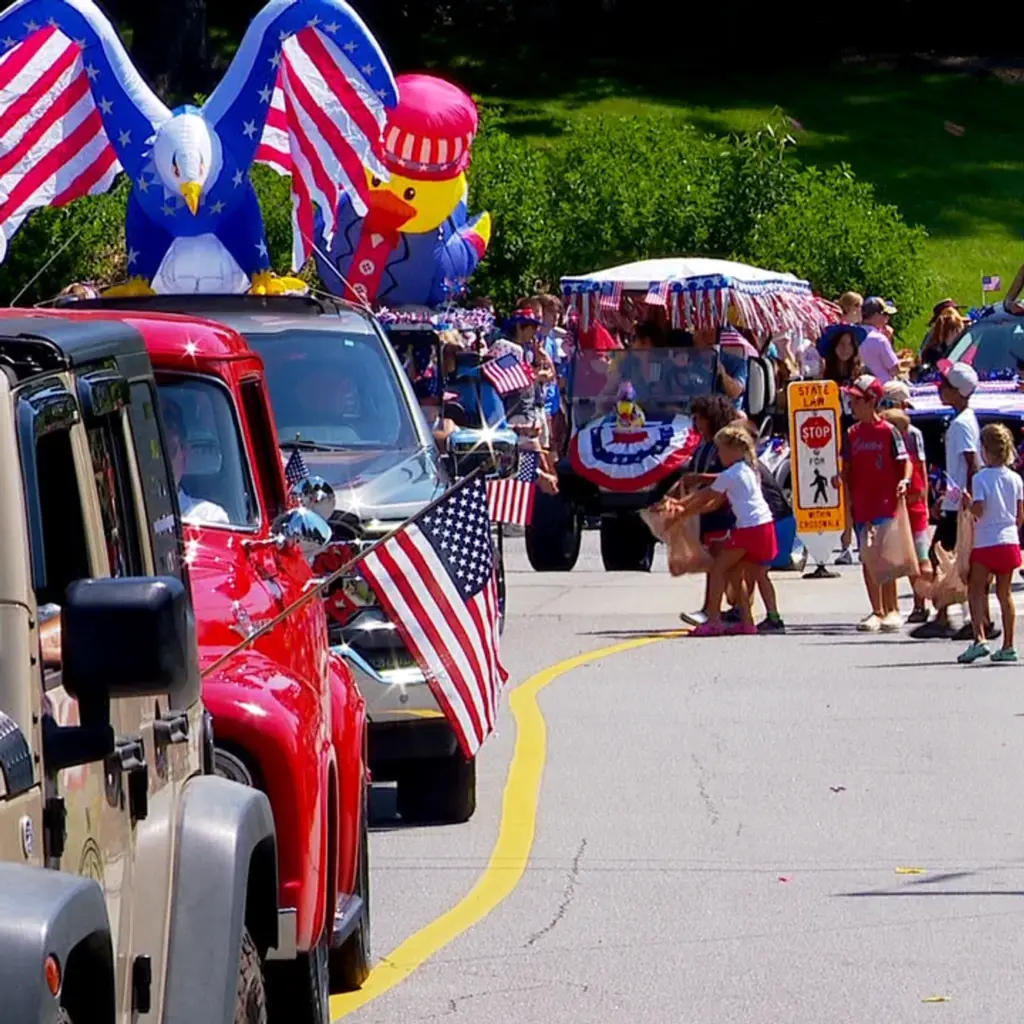
Communities across the country are hosting gatherings, parades, concerts, and America’s Block Party celebrations around July 3–4. Instead of attending only as spectators, consider bringing a veteran in your life along — or using the moment to thank someone whose service helped carry this country forward.
Ask before you assume.
If you have a veteran in your family, ask about their era of service before assuming you already know the story. Vietnam, Korea, the Gulf War, Afghanistan, Iraq, or peacetime service — every generation carries its own memories, sacrifices, and meaning. Many veterans rarely get asked, and sometimes the simplest question opens the door to a story worth preserving.
Make the tribute personal.
A flag on the porch is meaningful, but a tribute connected to a specific branch, era, rank, or family story can feel even more personal. Whether it is a shirt, hoodie, jacket, photo, keepsake, or handwritten note, the best tributes are the ones that say, “I remember your service specifically.”
Give with intention, not as an afterthought.
If July 4th is approaching, consider a gift that reflects the veteran’s real story — their branch, their years of service, their role, or the legacy they passed down to the family. A personal tribute often means more than a generic patriotic item because it recognizes the person behind the uniform.
However you choose to mark it, the goal is the same: 250 years of American service should not only be observed. It should be remembered, shared, and carried forward.
Frequently Asked Questions
Two hundred and fifty years is a long time to measure a country by — but it is still only a glimpse of the people who built, defended, and carried it forward one generation at a time. From the farmers who stood at Lexington and Concord to the troops still serving today, the thread of American service has never fully broken. As America marks this historic milestone, the most meaningful way to celebrate is not only to watch the fireworks. It is to remember, honor, and carry forward the legacy of the people who made that celebration possible.
Explore our Veteran Apparel Collection for designs inspired by service, sacrifice, and American pride.