In the United States, Veterans Day and Memorial Day are two of the most important military-related holidays. Both are rooted in respect, gratitude, and national memory. Because both holidays honor people connected to military service, many Americans use the names interchangeably or feel unsure about what each day is meant to recognize.
The difference is simple but meaningful: Veterans Day is for honoring all who served. Memorial Day is for remembering those who died in service.
Understanding that distinction matters. It helps people speak more respectfully, choose the right words, and observe each holiday in a way that matches its purpose.
Quick Answer: Veterans Day vs Memorial Day
| Holiday | Date | Who It Honors | Main Meaning |
| Veterans Day | November 11 | All U.S. military veterans, living or deceased | Thanks people who served |
| Memorial Day | Last Monday in May | U.S. service members who died while serving | Remembers the fallen |
According to the U.S. Department of Veterans Affairs, Memorial Day is specifically a day to remember military personnel who died in service, while Veterans Day honors all who served in the U.S. Armed Forces.
What Is Veterans Day?
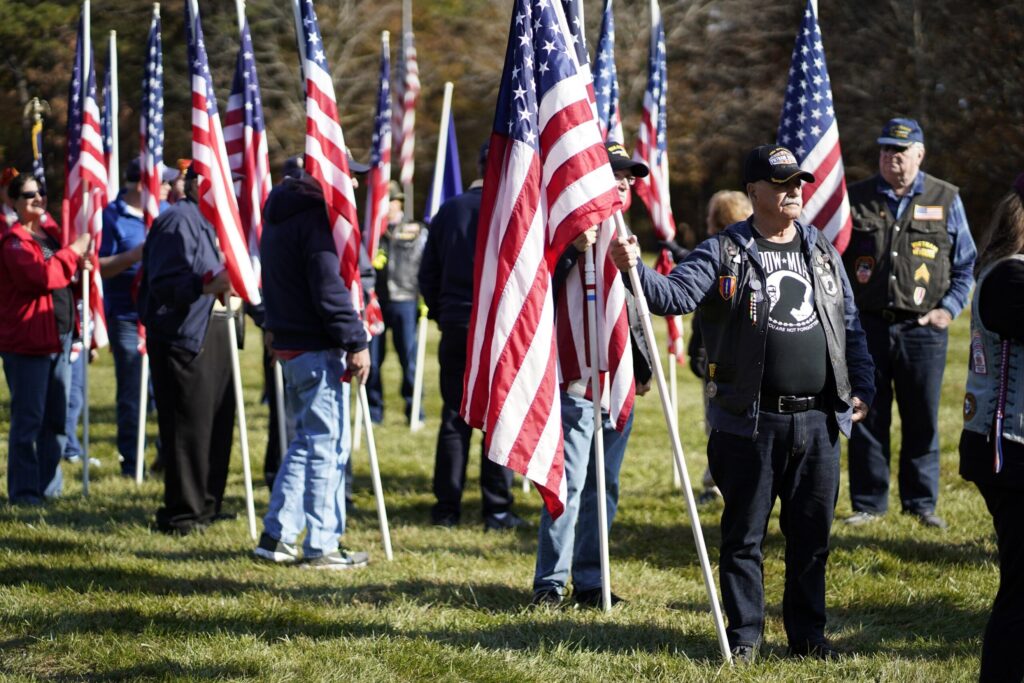
Veterans Day is observed every year on November 11. It honors men and women who served in the United States Armed Forces.
The holiday began as Armistice Day, marking the end of World War I. The armistice took effect on the “eleventh hour of the eleventh day of the eleventh month” in 1918. In 1954, after World War II and the Korean War, the holiday was renamed Veterans Day to honor veterans of all American wars, not only World War I.
Veterans Day is often a day of appreciation. Many communities hold parades, school programs, ceremonies, and public events. People may thank veterans for their service, visit veterans’ organizations, or support programs that help former service members and their families.
What Is Memorial Day?
Memorial Day is observed on the last Monday in May. It honors U.S. military members who died while serving their country.
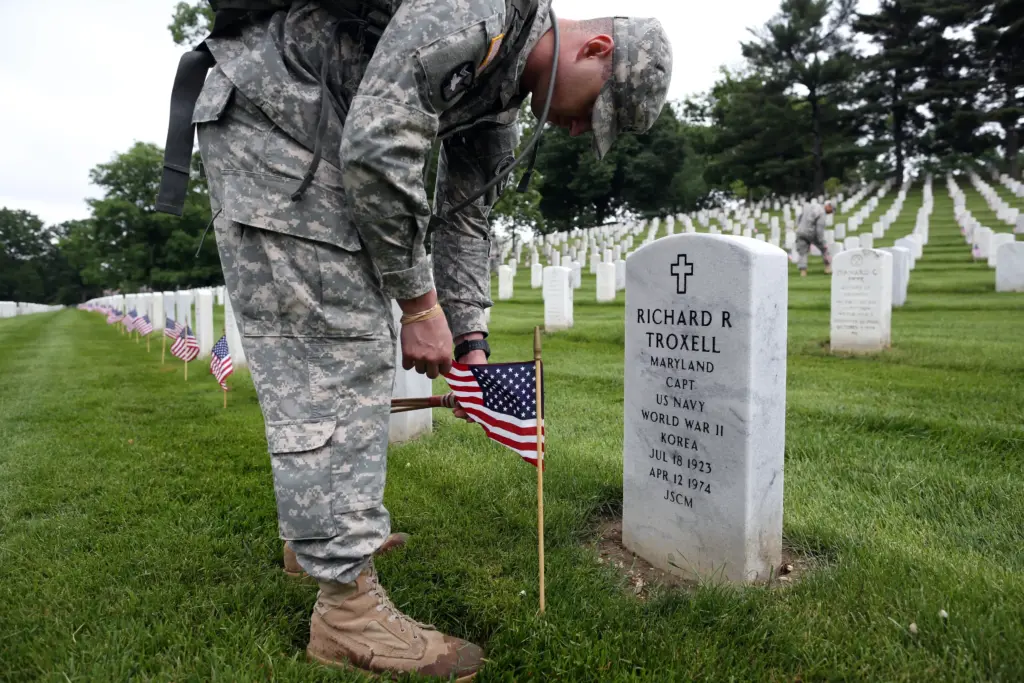
The holiday was originally known as Decoration Day because people decorated the graves of fallen soldiers with flowers, flags, and other tributes. One of the first large national observances took place at Arlington National Cemetery in 1868, where flowers were placed on the graves of Civil War soldiers.
Today, Memorial Day remains a solemn day of remembrance. Many Americans visit cemeteries, attend memorial ceremonies, place flags at gravesites, or pause for the National Moment of Remembrance at 3:00 p.m. local time. The National Moment of Remembrance encourages Americans to pause for one minute on Memorial Day to honor those who died in service.
The Main Difference Between Veterans Day and Memorial Day
The clearest way to remember the difference is this:
Veterans Day honors service. Memorial Day honors sacrifice.
Veterans Day is a day to thank people who served in the military. Memorial Day is a day to remember those who gave their lives while serving.
That does not mean fallen service members are excluded from Veterans Day. A deceased veteran can still be honored on Veterans Day. But the central focus of Memorial Day is different: it is specifically about remembering those who died in military service.
The U.S. Department of Defense explains the distinction this way: Veterans Day celebrates the service of all U.S. military veterans, while Memorial Day honors those who made the ultimate sacrifice.
Why Are the Dates Different?
Veterans Day is always observed on November 11 because of its connection to the end of World War I. The date itself carries historical meaning.
Memorial Day is observed on the last Monday in May. Its roots go back to post-Civil War remembrance traditions, when communities decorated soldiers’ graves in spring. Arlington National Cemetery notes that the first official national Decoration Day commemoration was held there in 1868, and the tradition later became known as Memorial Day.
Is It Okay to Say “Happy Memorial Day”?
This is a common question.
Many people say “Happy Memorial Day” because the holiday falls during a long weekend and is often associated with family gatherings, cookouts, and the unofficial start of summer. But for Gold Star families, veterans, and those who have lost loved ones in service, Memorial Day can be deeply emotional.
A more thoughtful phrase might be:
- “Wishing you a meaningful Memorial Day.”
- “Remembering and honoring those who gave their lives.”
- “May we never forget their sacrifice.”
For Veterans Day, “Happy Veterans Day” or “Thank you for your service” is generally more appropriate because the day is centered on recognition and gratitude.
How to Observe Veterans Day Respectfully
Veterans Day is a good time to show appreciation to people who served. You can:
- Thank a veteran personally.
- Attend a Veterans Day ceremony or parade.
- Share a veteran’s story with family or students.
- Support veteran-owned businesses.
- Donate to trusted veteran support organizations.
- Learn about the experiences of veterans from different generations.
The most important thing is sincerity. A short, respectful message often means more than a generic phrase.
How to Observe Memorial Day Respectfully
Memorial Day is best observed with reflection and remembrance. You can:
- Visit a military cemetery or memorial.
- Place flowers or flags at gravesites.
- Attend a Memorial Day ceremony.
- Pause at 3:00 p.m. for the National Moment of Remembrance.
- Learn the story of a fallen service member.
- Fly the American flag according to Memorial Day traditions.
Many people still spend time with family on Memorial Day weekend. That is not wrong. But it is worth taking a moment to remember why the day exists.
Veterans Day, Memorial Day, and Armed Forces Day
There is one more holiday that often gets confused with these two: Armed Forces Day.
| Holiday | Who It Honors |
| Armed Forces Day | Those currently serving |
| Veterans Day | Those who have served |
| Memorial Day | Those who died while serving |
This makes the difference easier to remember:
Currently serving: Armed Forces Day
Formerly served: Veterans Day
Died in service: Memorial Day
Common Misunderstandings
“Memorial Day is for all veterans.”
Not exactly. Memorial Day is specifically for those who died while serving in the U.S. military.
“Veterans Day is only for living veterans.”
Veterans Day mainly focuses on thanking living veterans, but it honors all who served.
“Both holidays are the same because they honor the military.”
They are related, but not the same. One is centered on gratitude for service; the other is centered on remembrance of sacrifice.
Conclusion
Veterans Day and Memorial Day are both important American holidays, but they carry different meanings.
Veterans Day is a day of gratitude for all who served. Memorial Day is a day of remembrance for those who died in service.
Knowing the difference helps us honor each holiday with the respect it deserves. Whether you are attending a ceremony, writing a message, teaching children, or simply pausing for a moment of reflection, the words you choose matter.
Veterans Day says thank you. Memorial Day says we remember.