Veterans Day is a meaningful time to pause, reflect, and honor the men and women who have served in the United States Armed Forces. For many Americans, it is also a day when they want to say something kind to a veteran but may not know the right words.
Should you simply say “Thank you for your service”?
Is that enough?
Could it sound too common or automatic?
The truth is, there is no perfect sentence that fits every veteran. Every person’s military experience is different. Some veterans are proud and open about their service. Others may be more private. Some served during wartime, while others served in support roles, training, logistics, intelligence, medical units, aviation, engineering, or countless other areas that kept the mission moving.
What matters most is sincerity.
A few honest words, spoken with respect, often mean more than a long speech. Whether you are speaking to a family member, friend, coworker, neighbor, customer, or stranger, here are thoughtful things you can say to a veteran on Veterans Day.
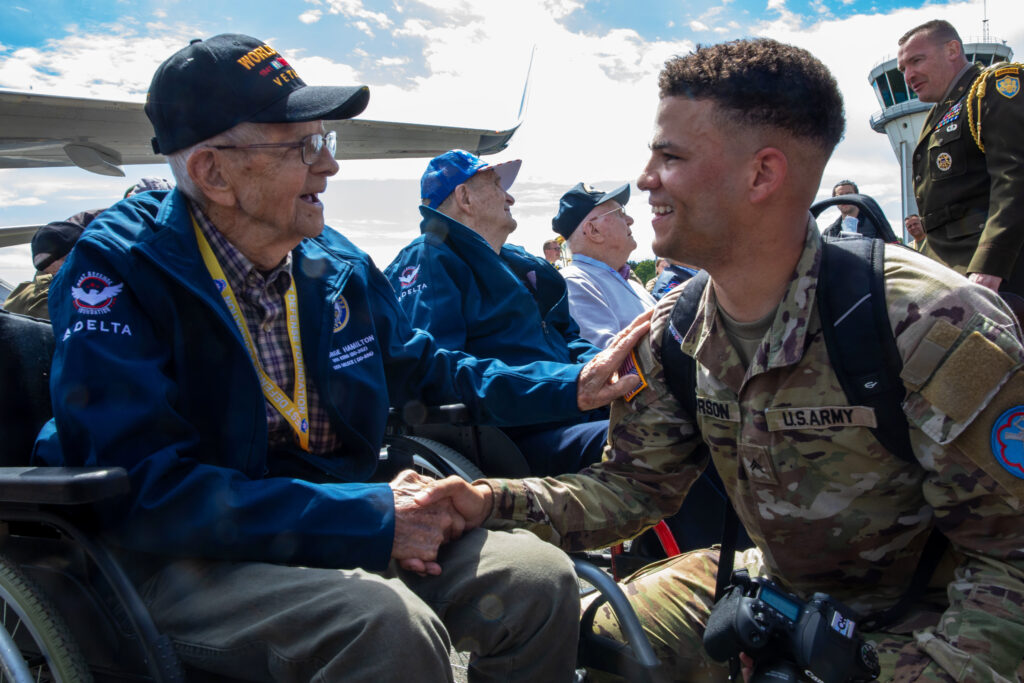
Why Words Matter on Veterans Day
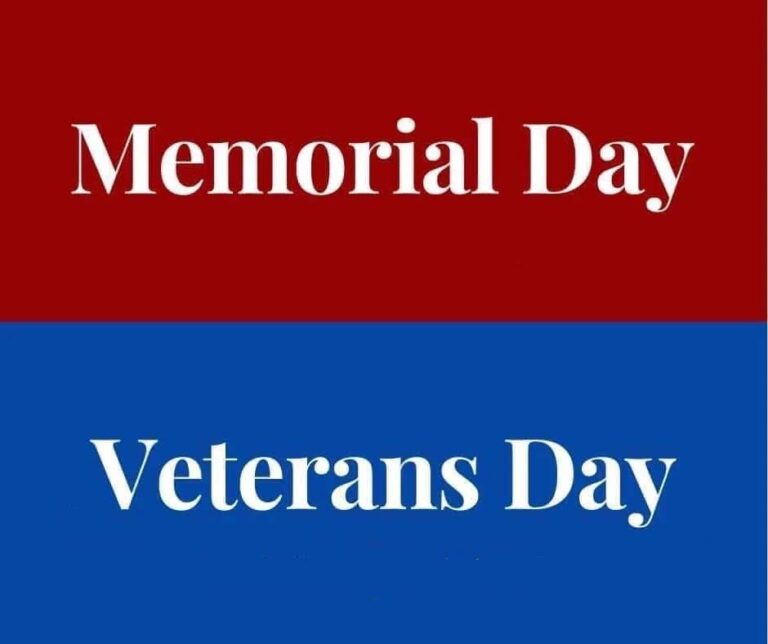
Veterans Day is observed every year on November 11. Unlike Memorial Day, which honors those who died while serving, Veterans Day honors all who served in the U.S. military, both living and deceased.
That difference matters. Veterans Day is not only about remembrance. It is also about recognition.
For many veterans, their service was a major chapter of their life. It may have shaped their values, friendships, discipline, worldview, and sense of duty. Some veterans look back on their service with pride. Some carry difficult memories. Many feel a mix of both.
That is why words should be respectful, simple, and thoughtful. You do not need to ask personal questions or try to understand everything they went through. Often, the best thing you can do is acknowledge their service with genuine appreciation.
Simple Things to Say to a Veteran on Veterans Day
Sometimes the simplest words are the best. You do not have to overthink it.
Here are a few respectful phrases you can use:
“Thank you for your service.”
This is the most common phrase, and it is still meaningful when said sincerely. Make eye contact, say it calmly, and mean it.
“I appreciate your service and sacrifice.”
This adds a little more depth while still keeping the message simple.
“Thank you for what you did for our country.”
This is warm, direct, and easy to understand.
“I’m grateful for your service.”
A good choice when you want your words to feel personal but not too emotional.
“Veterans Day is a good reminder of how much we owe people like you.”
This works well in a more thoughtful conversation with someone you know.
You do not need to say all of these. One sincere sentence is enough.
What to Say to a Veteran You Know Personally
If the veteran is someone close to you, such as a parent, grandparent, spouse, sibling, friend, or coworker, you can make your message more personal.
For example:
“I know you don’t always talk much about your service, but I want you to know I respect it and I’m proud of you.”
This is a good message for veterans who are private about their military experience.
“Thank you for the example you set, not just when you served, but in the way you live today.”
This works well for a father, grandfather, uncle, mentor, or older family member.
“I’m proud to know you, and I’m grateful for your service.”
Short, personal, and heartfelt.
“Your service is part of your story, and I respect the strength and commitment it took.”
This message feels meaningful without sounding too dramatic.
When speaking to someone you know, the best message often includes one specific detail. For example, you might mention their branch, their years of service, or the values you admire in them.
What to Say to a Veteran Family Member
Veterans Day can feel especially personal inside military families. A veteran’s service often affects the whole household. Spouses, children, parents, and siblings may remember deployments, long separations, frequent moves, missed holidays, and the stress that comes with military life.
If you are speaking to a veteran family member, you might say:
“I’m proud of your service and proud to be part of your family.”
“Thank you for the sacrifices you made, even when they were not easy.”
“Your service means a lot to our family, and I hope you know how respected you are.”
“I know your time in uniform shaped a lot of who you are. I’m grateful for that part of your story.”
These words can mean a lot because they connect military service with family pride.
What to Say to a Veteran Coworker
In a workplace setting, it is usually best to keep your message respectful and professional. Not every veteran wants attention at work, so avoid making a big scene unless you know they are comfortable with it.
You can say:
“I just wanted to say thank you for your service.”
“I appreciate your service. Hope you have a meaningful Veterans Day.”
“Thank you for what you did before this chapter of your career.”
“I respect your service and appreciate the experience you bring here.”
A private, simple comment is often better than a public announcement, unless your workplace is holding a Veterans Day recognition event.
What to Write in a Veterans Day Card
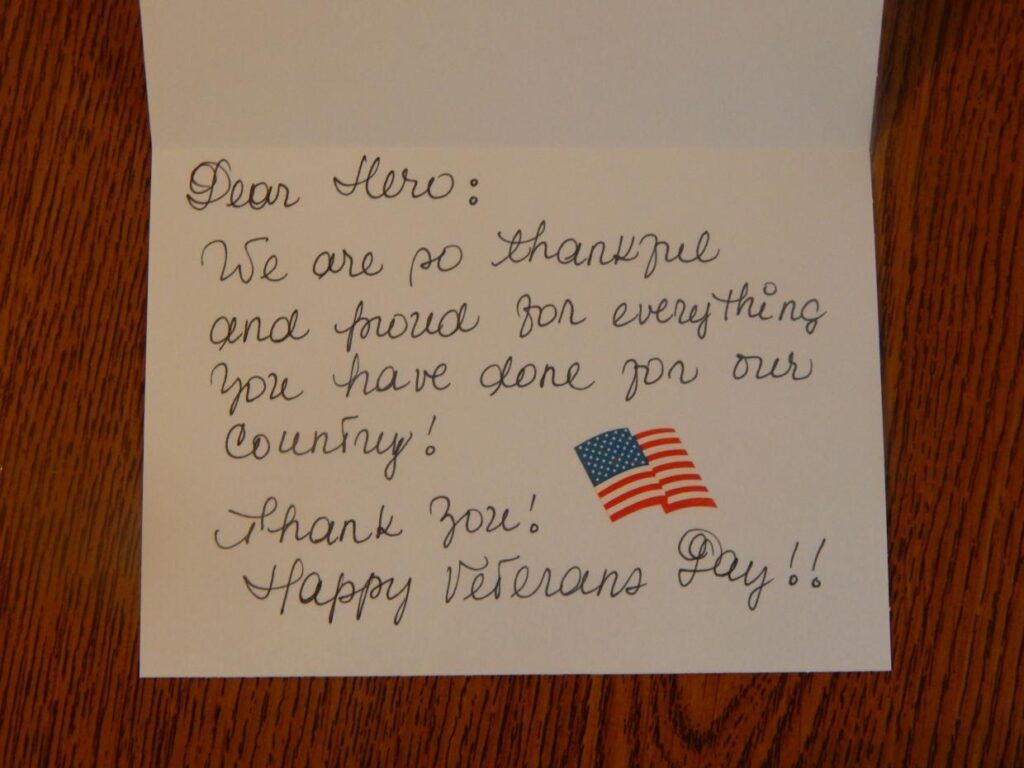
A card gives you more room to express appreciation. You can keep it short or make it more personal depending on your relationship.
Here are a few card message ideas:
“Today we honor your service, your sacrifice, and your commitment to our country. Thank you for serving with courage and dedication.”
“Your service will never be taken for granted. Wishing you a meaningful Veterans Day and sending sincere appreciation for all you have done.”
“Thank you for standing up when your country called. Your service is respected, remembered, and deeply appreciated.”
“Veterans Day is a reminder of the people who gave their time, strength, and commitment in service to America. Thank you for being one of them.”
For a family member, you could write:
“I’m proud of you every day, but Veterans Day gives me another reason to say it. Thank you for your service and for the example you continue to set.”
What to Say Instead of “Thank You for Your Service”
“Thank you for your service” is not wrong. Many veterans appreciate it. But if you want to say something a little different, here are some natural alternatives:
“I appreciate what you gave to this country.”
“Your service matters, and I’m grateful for it.”
“Thank you for stepping forward and serving.”
“I respect the commitment it took to wear the uniform.”
“I hope you feel honored today. You deserve it.”
“Your service is part of what makes this country strong.”
These phrases are especially useful if you want to sound more personal and less automatic.
What Not to Say to a Veteran on Veterans Day
Most people mean well, but some comments can feel uncomfortable or too personal. On Veterans Day, it is best to avoid questions or statements that put pressure on a veteran to explain painful experiences.
Avoid asking:
“Did you kill anyone?”
This is deeply inappropriate and can bring up painful memories.
“Do you have PTSD?”
That is personal health information and not something to ask casually.
“What was the worst thing you saw?”
This can force someone to revisit trauma.
“Was it worth it?”
That question can be emotionally complicated and unfair.
“I almost joined, but…”
This shifts the focus away from the veteran and onto yourself.
Also avoid turning Veterans Day into a political debate. Veterans come from many backgrounds and hold many different views. The day should be about respect, not arguments.
Should You Say “Happy Veterans Day”?
Yes, saying “Happy Veterans Day” is generally acceptable. Many people use it as a friendly greeting. However, depending on the veteran and the situation, you may want to use a more thoughtful phrase.
For example:
“Wishing you a meaningful Veterans Day.”
“Hope you feel appreciated today.”
“Thank you for your service. I hope today brings you pride and peace.”
“Happy Veterans Day” is not offensive in most cases, but “meaningful Veterans Day” can feel more respectful, especially if you are speaking to someone who may have complicated feelings about their service.
How to Thank a Veteran Without Making It Awkward
The key is to keep it natural.
You do not need a perfect speech. You do not need to know their full story. You do not need to make the moment heavy.
A good approach is:
Say thank you.
Keep your tone sincere.
Do not ask invasive questions.
Let the veteran choose whether to continue the conversation.
For example, you could simply say:
“I just wanted to thank you for your service. I really appreciate it.”
Then pause. If they want to talk more, they will. If they just say “thank you,” that is enough.
Meaningful Ways to Show Appreciation Beyond Words
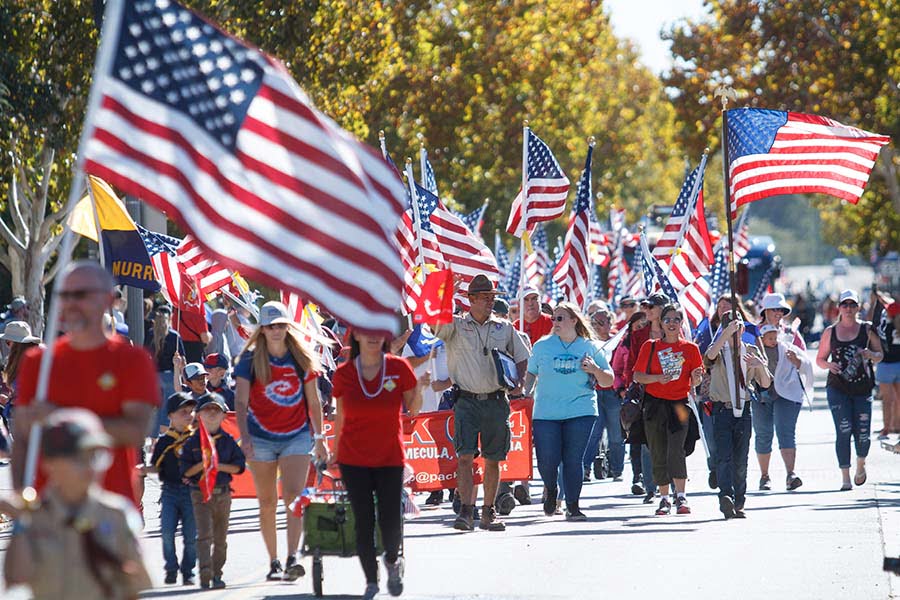
Words matter, but actions can also show respect. On Veterans Day, you might:
Support a veteran-owned business.
Call a veteran family member.
Visit a local Veterans Day event.
Listen if a veteran wants to share a story.
Teach younger family members what Veterans Day means.
Donate to a reputable organization that supports veterans.
Display the American flag respectfully.
Send a handwritten note to a veteran you know.
Small actions can make Veterans Day feel more personal and meaningful.
Final Thoughts
So, what should you say to a veteran on Veterans Day?
Say something honest. Say something respectful. Say something that recognizes their service without demanding their story.
A simple “thank you” can still matter when it comes from the heart. But if you want to go a little deeper, you can say:
“I appreciate your service, your sacrifice, and the commitment it took to serve our country.”
Veterans Day is not about finding the perfect words. It is about taking a moment to honor the people who wore the uniform, served with dedication, and gave part of their lives to something bigger than themselves.
Whether they served for a few years or an entire career, whether they served in combat or far from the front lines, every veteran has a place in the story of America’s military service.
And on Veterans Day, a few sincere words of gratitude can mean more than you realize.