Finding an old military uniform in the attic or looking at a faded photograph of your grandfather often brings up a lot of questions. One of the most common mysteries is the colorful piece of fabric stitched to the shoulder. That patch is more than just a piece of cloth; it’s a map of where they served and who they served with.
The Anatomy of a Military Patch
1. Shape (Overall Form)
The shape is not random—it often reflects heritage, function, or historical lineage.
Common Shapes & Meanings
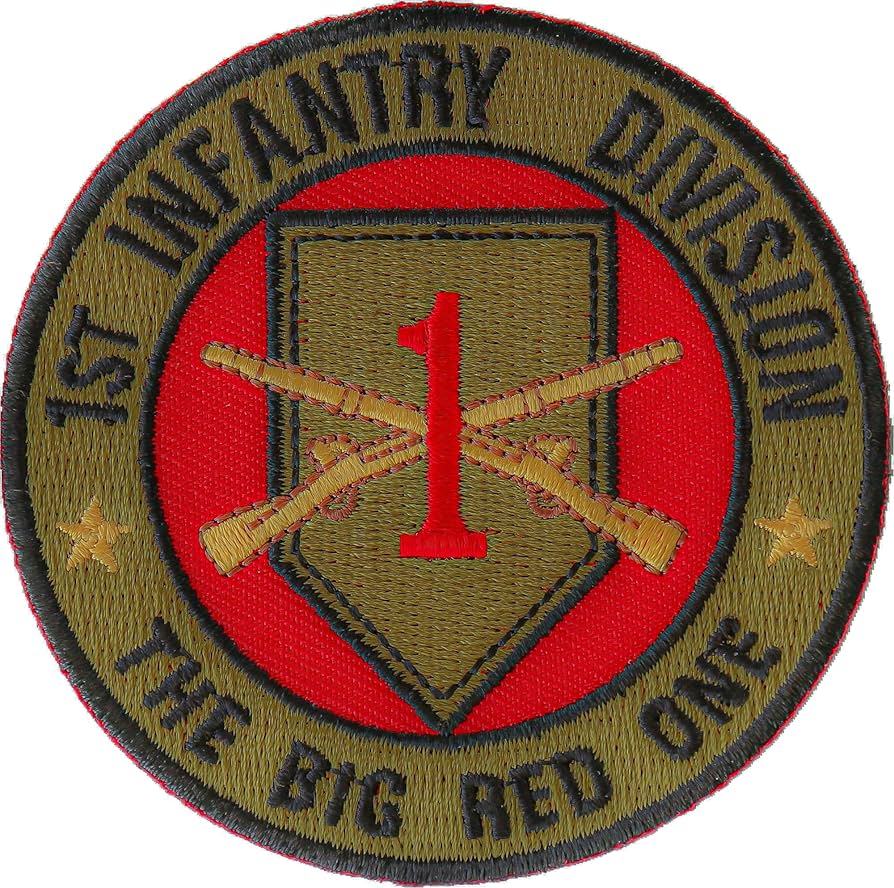
1.1 Shield (Escutcheon)
- Most traditional shape (borrowed from medieval heraldry)
- Represents defense, honor, and combat readiness
- Common in army and infantry units
Example:
1.2 Circle / Round
- Symbolizes unity, continuity, and global reach
- Often used by logistics, aviation, or support units
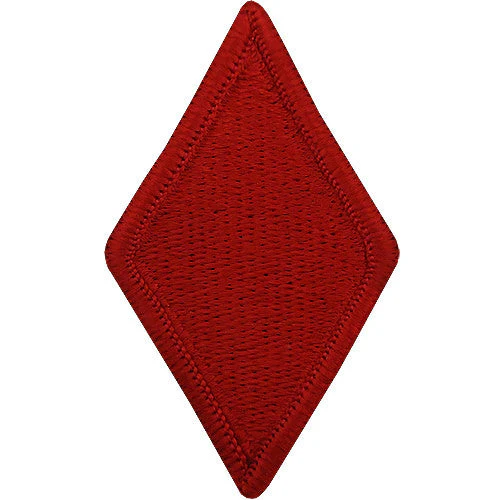
1.3 Diamond
- Associated with mobility, speed, and adaptability
- Sometimes used by airborne or cavalry-style units
Example:
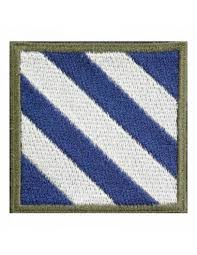
1.4 Square / Rectangle
- Suggests structure, stability, and organization
- Common in administrative or engineering units
Example:
1.5 Oval
- Often linked to airborne units
- Represents parachute landing zones or aerial deployment
1.6 Irregular / Custom Shapes
- Unique to specific elite or historic units
- Designed for instant recognition and identity
👉 Example: The distinctive shape of the 101st Airborne Division patch makes it instantly recognizable worldwide.
2. Border (Outer Edge / Trim)
The border frames the patch and can signal classification or distinction.
2.1. Border Styles
A. Single-color border
- Standard unit identification
B. Double border
- May indicate higher command level or layered hierarchy
C. No border
- Modern/tactical minimalist design
2.2 Border Colors & Meanings
- Black: Authority, strength, discipline
- Gold / Yellow: Excellence, honor, elite status
- Red: Combat, sacrifice, valor
- Blue: Loyalty, trust, professionalism
- Green: Ground forces, endurance
- White / Silver: Purity, integrity, peacekeeping roles
👉 Borders are subtle but often used to differentiate similar units.
3. Field / Background (Base Layer)
The background is where branch identity and environment are expressed.
3.1 Common Background Colors
- Infantry: Light blue or green
- Artillery: Red
- Armor / Cavalry: Yellow and black combinations
- Airborne / Aviation: Sky blue, dark blue, or black
- Engineers: Red and white
- Medical Corps: Maroon
- Special Forces: Dark green or black
3.2 Background Patterns
- Solid color: Most common, clear identity
- Split (diagonal/vertical): Dual mission or merged units
- Gradient / stylized: More modern designs
👉 The field acts as the context layer of the patch.
4. Charges / Symbols (Core Imagery)
This is the most important part—the visual storytelling element.
4.1 Animals
- Eagle: Freedom, dominance, vigilance (very common in U.S. units)
- Lion: Courage, leadership, royalty
- Wolf: Aggression, teamwork, hunting instinct
- Bear: Strength, endurance
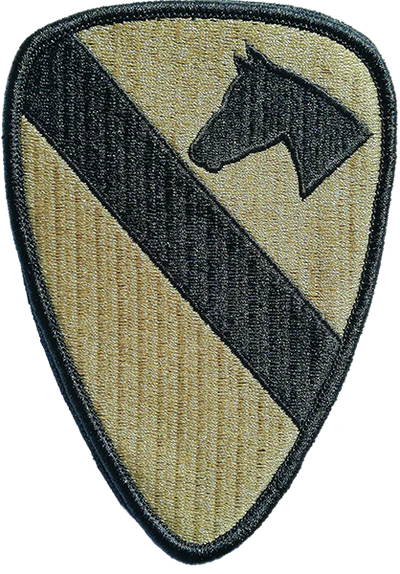
- Horse: Mobility, cavalry tradition
Example:
4.2 Weapons & Military Tools
- Sword: Honor, combat readiness
- Rifle: Infantry identity
- Cannon: Artillery
- Shield: Defense
- Missile / Rocket: Modern warfare, precision strike
4.3 Natural Elements
- Lightning Bolt: Speed, communication, shock attack
- Mountain: Terrain specialization
- River / Waves: Naval or amphibious operations
- Star: Authority, command, rank
4.4 Abstract & Symbolic Icons
- Skull: Fearlessness, elite or special operations
- Wing: Airborne or aviation
- Torch: Knowledge, guidance
👉 Example: The eagle in the 101st Airborne Division patch symbolizes aggressive airborne dominance.
5. Text / Motto
5.1 Types of Text
Unit number/name
- Example: “1st Infantry Division”
Nickname
- Example: “Screaming Eagles”
Motto
- Often in Latin or formal English
5.2 Motto Themes
Honor & Duty
- Example: “Duty First”
Victory
- Example: “Victory or Death”
Strength
- Example: “Strength Through Unity”
👉 Mottos reinforce the psychological identity of the unit.
6. Color System (Deep Meaning)
Colors are standardized and symbolic:
| Color | Meaning |
|---|
| Red | Courage, sacrifice Example: 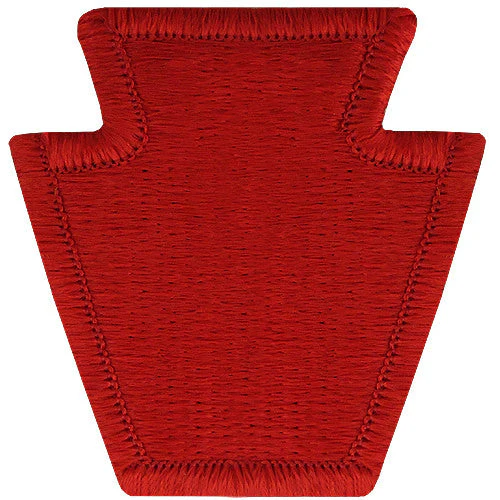 |
| Blue | Loyalty, vigilance Example: 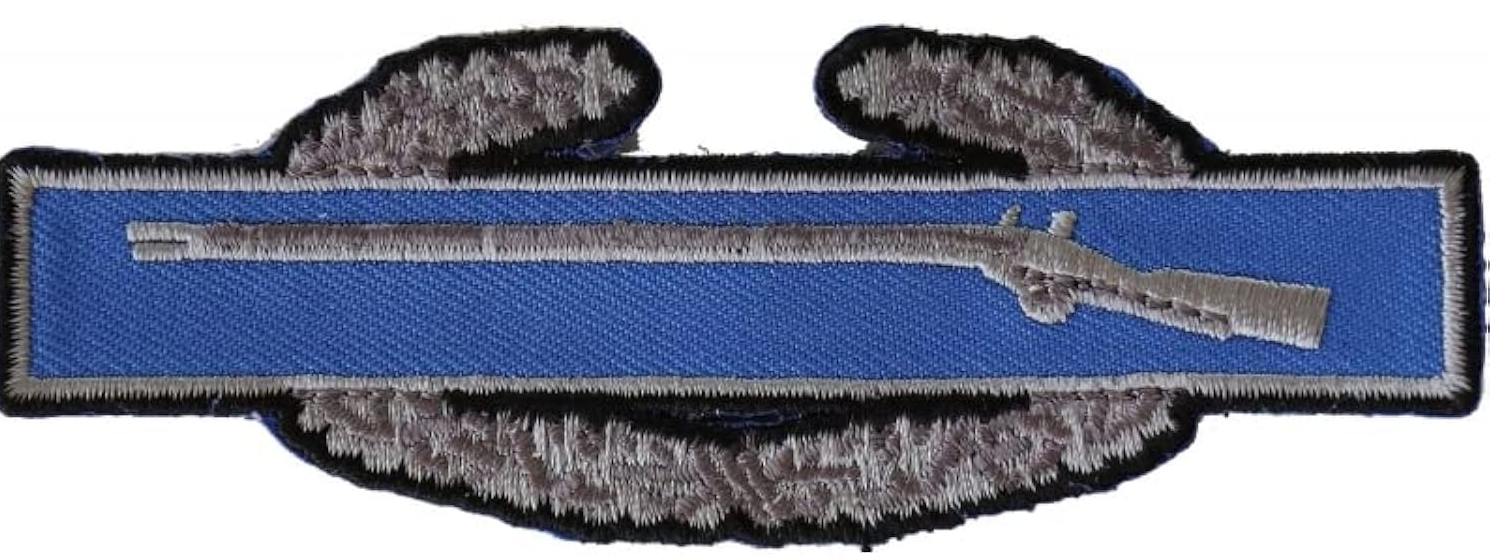 |
| Yellow/Gold | Honor, achievement Example: 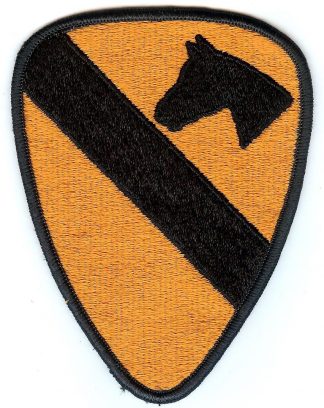 |
| Green | Growth, endurance |
| Black | Strength, authority |
| White | Integrity, peace |
| Purple | Royalty, joint forces |
| Orange | Energy, signal units Example: 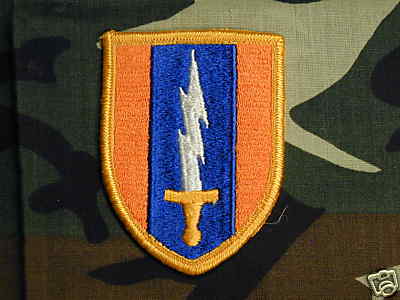 |
7. Tab (Top Rocker / Arc)
Common Tabs
- AIRBORNE: Paratrooper qualification
- SPECIAL FORCES: Elite unit designation
- RANGER: Specialized infantry
Purpose
- Adds status or specialization
- Separate from main patch but visually connected
8. Material & Construction
Types
- Embroidered: Traditional, textured
- Woven: Higher detail, smoother finish
- Printed: Cost-effective, less durable
- PVC / Rubber: Modern tactical gear, weather-resistant
Attachment Methods
- Velcro (modern tactical)
- Sew-on (traditional)
- Iron-on (commercial replicas)
9. Shape + Color + Symbol Combination (How to Read It Together)
To fully understand a patch:
- Shape → Tradition / unit type
- Background color → Branch
- Symbol → Mission / identity
- Text → Name / values
- Border → Classification
👉 When combined, these elements create a complete identity system.
Example 1:
Let’s apply this formula to one of the most iconic and recognizable patches in the U.S. military:
- Shape (Large Shield): Represents a long-standing tradition and a strong defensive spirit.
- Background Color (Yellow Field): Clearly identifies the Cavalry and Armor branches, while symbolizing honor and achievement.
- Symbol (Horse Head & Black Diagonal Stripe): Reflects their highly mobile identity and pays respect to the rich heritage of the original horse-mounted cavalrymen.
- Border & Trim (Black): Emphasizes strength, authority, and iron discipline.
👉 The Result: At a single glance, you instantly recognize a unit built on deep-rooted tradition, honor, raw strength, and rapid mobility.
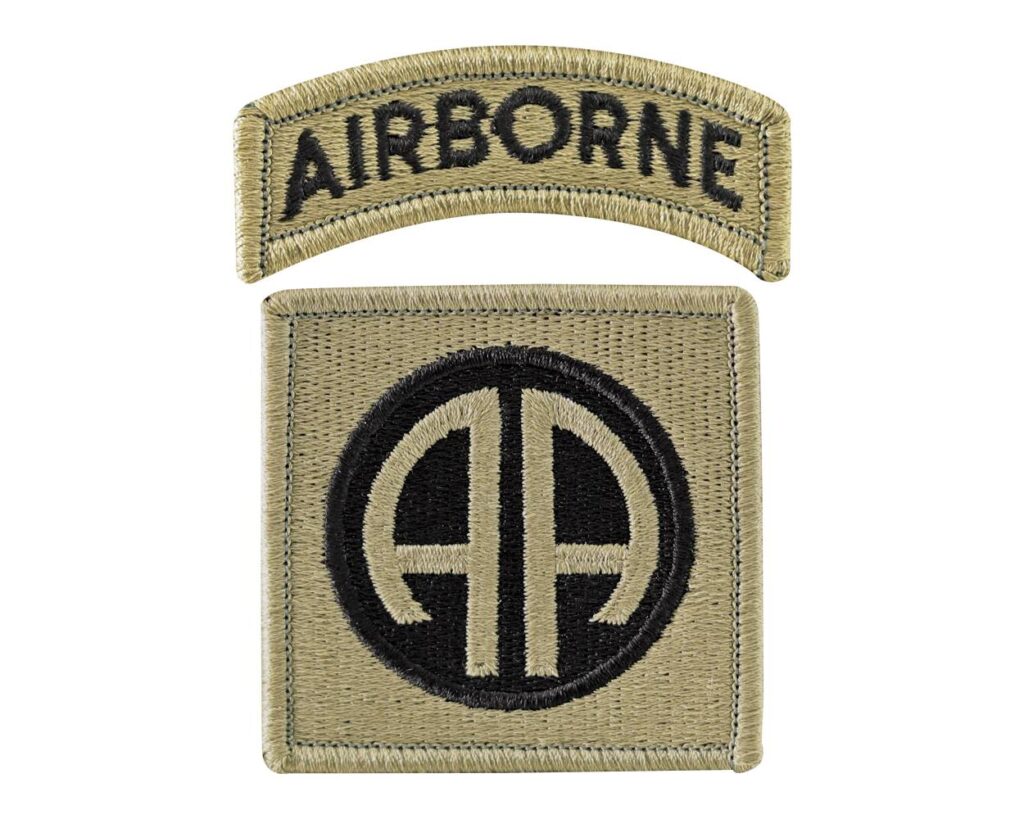
Example 2:
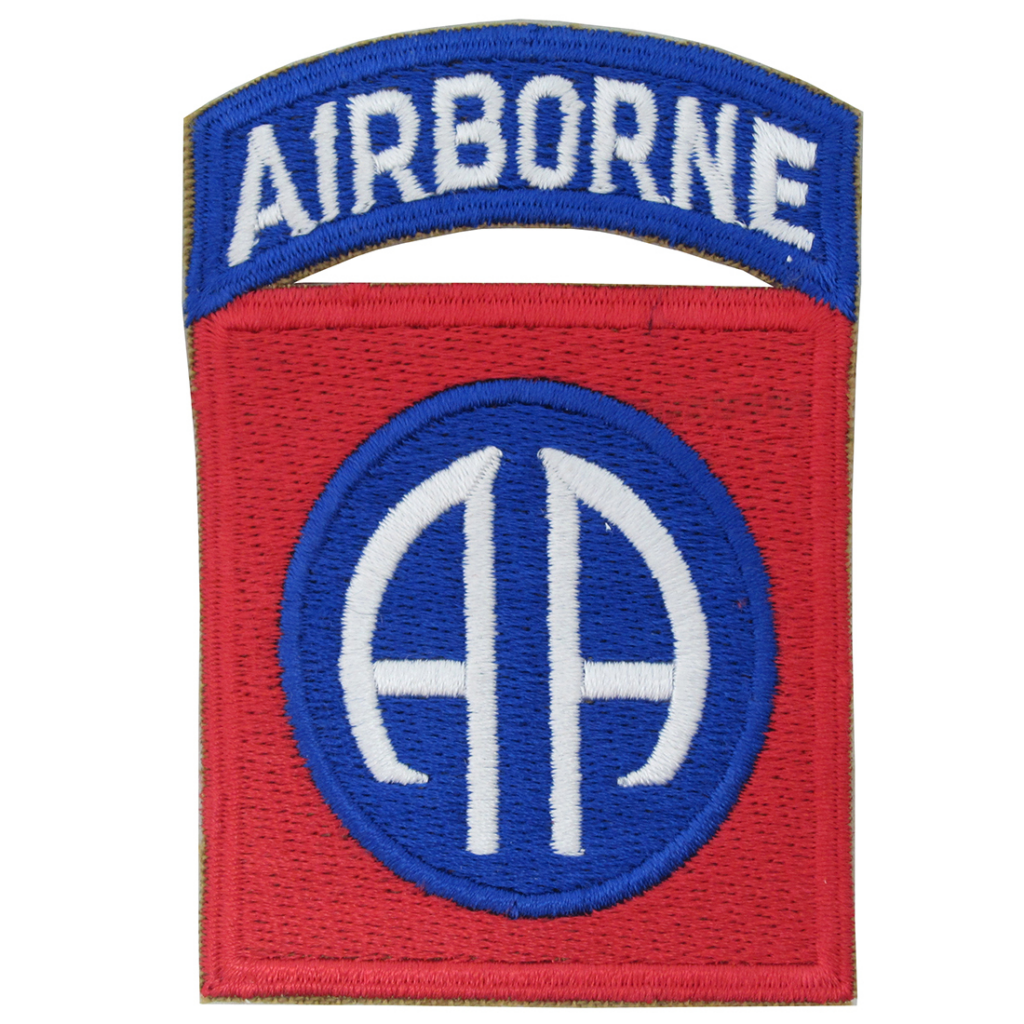
1. Shape: Square base with a curved top tab
- Square field → Represents a solid, unbreakable foundation, stability, and structure in combat.
- Curved tab → Indicates a specialized elite capability (Airborne).
2. Background (Colors)
- Red field with a blue circular center
👉 Interpretation:
- Red → courage, sacrifice, combat power
- Blue → loyalty, discipline, professionalism
👉 Together, they reflect core U.S. Army values.
3. Symbol (Central Design)
- White “AA” letters inside the blue circle
👉 Interpretation:
- “AA” = All American
- Historical meaning:
- The division was formed with soldiers from all 48 states (at the time)
👉 Unique point:
- This patch uses letters as the main symbol, not animals or weapons.
4. Text / Tab
- Top tab reads: “AIRBORNE”
👉 Interpretation:
- Identifies the unit as paratroopers
- Capabilities include:
- Airborne insertion
- Rapid deployment
- Global response operations
5. Border
- Olive / subdued military border
👉 Interpretation:
- Designed for practical use on uniforms
- Keeps visibility balanced (not overly flashy)
6. Final Decode (Putting It All Together)
- Shape → Combat unit with airborne specialization
- Color → Courage (red) + loyalty (blue)
- Symbol → “All American” identity
- Text → Airborne capability
- Border → Functional military design
Conclusion:
This patch represents an elite airborne division that embodies the entire United States, known for:
- Rapid global deployment
- High-readiness combat operations
- A powerful identity: “All American”